Piarist theater in Poland: educating from the stage
F. Jarek Pabian Sch.P. Provincial Assistant for Piarist Ministry
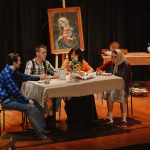
In Piarist schools in Poland, theater is not a complement, but an essential part of the educational and formative process of young people. This tradition dates back to the 18th century, when Stanisław Konarski, a Piarist and education reformer, founded the Collegium Nobilium. In this exceptional college, theater had a permanent space, both physical and pedagogical. Konarski not only selected valuable plays for his students, but also wrote his own. All this was happening at the same time as the birth of the National Theater, an era when theater was considered one of the pillars of national identity construction. Today, the Piarist theater continues to fulfill this function: it is a space of formation, community, and transmission of values.
For whom and for what purpose is theater?
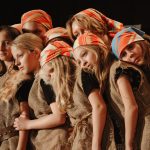
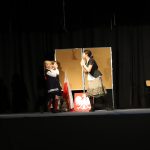
Theater at the Piarist school is conceived as a two-way action: it forms both the actor and the spectator. Participating in the preparation of a play – whether as an actor, director, set designer, or technician – allows the student to get to know themselves better: to discover their emotions, abilities, and limitations. It requires teamwork, mutual attention, and a genuine understanding of others’ needs. The stage is a place where mental discipline is exercised, allowing one to interpret a text, be aware of the word, the gesture, and the symbol. It is intense work that demands courage, sensitivity, and planning.
But theater also acts on those who observe: the spectators. For this reason, Piarist schools regularly invite students to shows linked to the liturgical year (such as the living nativity scenes or the mysteries of the Passion), historical representations and adaptations of literary classics. All this helps the young spectator build their identity as a Christian and as a citizen with firm cultural roots.
Theatrical projects: a constant presence
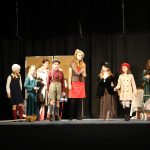
All Piarist schools in Poland have an extensive theatrical program. Recurring events include:
- Liturgical spectacles: living nativity scenes, Passion Mysteries, parades of the Magi. These initiatives involve entire communities and foster a deeper experience of faith and feasts.
- Patriotic and historical performances: on the occasion of national holidays or anniversaries, literary works from the Polish canon are staged or classical paintings are recreated in the form of “living paintings”. These performances are often open to the local community, including grandparents, neighbors, and former teachers, who appreciate the invitation to participate.
- National Meeting of Piarist Theaters: an annual event that has been held for the past fifteen years in Łowicz. Young people from Piarist schools and parishes from all over the country present their plays and share their experience. This meeting is not a competition, but a space for mutual inspiration and emotional growth. Each edition revolves around a significant theme (vocation, freedom, family), inviting reflection.
- Solidarity and inclusive shows: plays performed in hospitals, benefit concerts, theatrical initiatives with children from Bolszewo or students from Rzeszów (Atmosfera Theater). The Piarist theater is not limited to the walls of the school: it is open to those who need it most.
Workshops, training, and professionalization
To support the artistic development of young people, the Piarist schools organize theatrical workshops, both during the school year and at national meetings. Students learn vocal techniques, body expression, and stage props, as well as costumes. Actors, directors, and specialists in shadow theater or puppet theater participate, thus broadening the participants’ perspectives and tools.
Evaluation and growth
Each theater project culminates not only with applause, but also with a process of reflection. Through surveys, pedagogical meetings, and spaces for dialogue, the results are analyzed, and new needs are identified. Thanks to this, the Piarist theater remains alive and in a state of constant evolution, adapting to current challenges.
Theater: the heart of Piarist education
The stage is a space of closeness: with oneself, with others, and with the essential. At the Piarist school, theater is not an ornament: it is a way of life. It teaches responsibility, develops sensitivity, strengthens relationships. And, above all, it helps to grow. That is why the Piarist theater in Poland not only endures: it flourishes, transforms, and inspires.